Procurement for grant-funded projects
Won a grant? We will run the procurement on time.
We align the procedures with the milestones in your grant agreement and close them with audit-proof documentation.
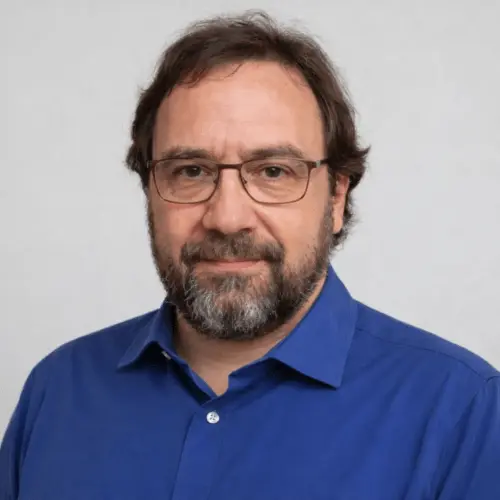
- Independent practitioner
- Ministry experience
- Contracting-authority expertise
- Active practice
- 30+ years, since 1996
- 250+ successful projects
- 100+ partners
What we take on
You focus on the project. We see the procurement through.
-
Milestones you can keep
We bring all of the project's purchases into one plan, matched to the schedule in your grant agreement.
-
Documentation ready for audit
From the contract notice to the written summary of the evaluation, we document every step the way the funding body's checks require, and we prepare the documents you have to submit.
-
The whole procedure in the EKR
We run the entire procedure in the Electronic Public Procurement System (EKR), from bidder questions and requests to remedy deficiencies, through evaluation, to signing the contract.
-
Contract modifications during implementation
If the project changes along the way, we also handle the necessary contract modifications in line with the rules.
What does running a procedure cost?
Per procedure, by type of procedure.
| Procedure | Fee |
|---|---|
| Works, with prior publication | 0.3% of the estimated valueMin. 3,500 EUR |
| Supplies, with prior publication | 1.0% of the estimated valueMin. 2,000 EUR |
| Services, with prior publication | 1.2% of the estimated valueMin. 2,000 EUR |
| Supplies, without prior publication | 1.2% of the estimated valueMin. 1,500 EUR |
Indicative prices, excluding VAT, converted from HUF at 1 EUR = 400 HUF. If you only need part of the work, such as the procurement documents or running the evaluation committee, the fee is lower. We quote an exact price once we know the project.
From the funding decision to the contract
Including preparation, a procedure usually takes 3-6 months.
Is a milestone closing in?
Call us and we will tell you free of charge whether the procedure fits the deadline. All you need to know is what has to be procured and when the first milestone is due.
Our clients
Organisations we have worked for in public procurement, grant applications or project management.
- 101 clients on the reference list
- 36 local council and association
- 28 company
- 16 state body
- 13 other organisation
- 8 educational institution
- state body Nemzeti Fejlesztési Ügynökség EU grants, project management
- local council and association Budapest Főváros Önkormányzata Urban development, EU grants
- state body Európai Unió Budapesti Delegációja EU grants, consulting
- state body Nemzeti Fejlesztési Hivatal Kohéziós Alap Irányító Hatóság Public procurement, project management
- local council and association Makó és Térsége Ivóvízminőség-javító önkormányzati Társulás Water management, public procurement
- company SZVMF Szegedi Vízközmű Működtetés és Fejlesztés Zrt. Public procurement, project management
- local council and association Nyíregyháza Önkormányzata Public procurement, project management, grant writing
- educational institution Móra Ferenc Általános Művelődési Központ, Mórahalom Public procurement, project management
- other organisation Menedék Alapítvány Public procurement, project management
- state body Fővárosi Törvényszék Public procurement consulting
- state body Nemzeti Infrastruktúra Fejlesztő Zrt. Technical design, project management
- state body Duna-Ipoly Nemzeti Park Igazgatóság Environmental protection, grant writing
- state body Fertő-Hanság Nemzeti Park Igazgatóság Environmental protection, grant writing
- state body KDRFÜ Public procurement, project management
- state body Kiskunsági Nemzeti Park Igazgatóság Environmental protection, grant writing
- state body NYDRFÜ Public procurement, project management
- state body Pro Regio Nonprofit Kft. Public procurement, project management
- state body CFCU, ESZA Kht. Public procurement, project management
- state body FMM Irányító Hatóság Public procurement, project management
- state body Gazdasági és Közlekedési Minisztérium KvVM Fejlesztési Igazgatóság Public procurement, project management
- state body Oktatási Minisztérium Public procurement, project management
- state body VÁTI Kht. Public procurement, project management
- local council and association Ács Önkormányzata Infrastructure development, public procurement, project management
- local council and association Érd és Térsége Szennyvízkezelési és szennyvíztisztítási Társulás Environmental protection, technical design
- local council and association Nagyigmánd Önkormányzata Public procurement, project management
- local council and association Somlóvásárhely Önkormányzata Public procurement, project management, grant writing
- local council and association Vép Önkormányzata Public procurement, project management
- local council and association Badacsonytomaj Önkormányzata Public procurement, project management
- local council and association Budapest II. Kerület Önkormányzata District development, public procurement
- local council and association Csurgó Önkormányzata Public procurement, project management
- local council and association Dorog Önkormányzata Public procurement, project management
- local council and association Hajdúnánás Önkormányzata Public procurement, project management
- local council and association Halászi Önkormányzata Public procurement, project management
- local council and association Káld Önkormányzata Public procurement, project management
- local council and association Makó Önkormányzata Public procurement, project management
- local council and association Mezőszilas Önkormányzata Public procurement, project management
- local council and association Sitke Önkormányzata Public procurement, project management
- local council and association Szigetszentmiklós Önkormányzata Public procurement, project management
- local council and association Szil Önkormányzata Public procurement, project management
- local council and association Táplánszentkereszt Önkormányzata Public procurement, project management
- local council and association Tótszerdahely Önkormányzata Public procurement, project management
- local council and association Vasvár Önkormányzata Public procurement, project management
- local council and association Vál Önkormányzata Public procurement, project management
- local council and association Bék Önkormányzata Grant writing
- local council and association Eger Önkormányzata Grant writing
- local council and association Győr Önkormányzata Grant writing
- local council and association Hédervár Önkormányzata Grant writing
- local council and association Ikrény Önkormányzata Grant writing
- local council and association Nagybajcs Önkormányzata Grant writing
- local council and association Pornóapáti Önkormányzata Grant writing
- local council and association Salgótarján Önkormányzata Grant writing
- local council and association Somlójenő Önkormányzata Grant writing
- local council and association Sopron Önkormányzata Grant writing
- local council and association Székesfehérvár Önkormányzata Grant writing
- local council and association Veszprém Önkormányzata Grant writing
- educational institution Eötvös József Főiskola, Baja Public procurement, project management
- educational institution Puskás Tivadar Fém- és Villamosipari Szakközépiskola, Szombathely Public procurement, project management
- educational institution Budapesti Gazdasági Főiskola Public procurement, project management
- educational institution Győr-Moson-Sopron megyei Pedagógiai Intézet Public procurement, project management
- educational institution Karácsony Sándor Általános Iskola, Budapest Public procurement, project management
- educational institution Nyugat-Magyarországi Egyetem Public procurement, project management
- educational institution II. Rákóczi Ferenc Katolikus Közoktatási Központ, Csorna Public procurement, project management
- other organisation MANT (Magyar Asztronautikai Társaság) Project management
- other organisation Progresszív Zöld Közhasznú Egyesület Public procurement, project management
- other organisation Magyar Állattenyésztők Szövetsége Public procurement, project management
- other organisation Magyar Szabványügyi Testület Public procurement, project management
- other organisation Jövőkérek Közhasznú Alapítvány Public procurement, project management
- other organisation NÉKÁM Alapítvány Public procurement, project management
- other organisation Impulzus Egyesület, Szolnok Public procurement, project management
- other organisation Sódergödör Társasház, Budapest XIV. ker. Grant writing, public procurement
- other organisation Társadalomtudományok és Európa-tanulmányok Intézete Alapítvány (ISES) Public procurement, project management
- other organisation Társasház 1222 Budapest, Dévény u. 3. Grant writing, public procurement
- other organisation Társasház 1222 Budapest, József Attila u. 26. Grant writing, public procurement
- other organisation Társasház 1222 Budapest, Magasház u. 2. Grant writing, public procurement
- company Czikkhalas Halastavi Kft. Public procurement, project management
- company Energofish Kft. Public procurement, project management
- company ESE Kft. Public procurement, project management
- company Fluid Group Hagen Srl. Public procurement, project management
- company Mélyépterv Enviro Kft. Public procurement, project management
- company Paksi Ipari Park Kft. Public procurement, project management
- company Polyduct Műanyagipari Zrt. Public procurement, project management
- company Accel Hunland Kft. Public procurement, project management
- company Bilfinger-Berger Hungária Kft. Public procurement consulting, project management
- company BFH Európa Ltd. Public procurement, project management
- company Hydea Kft. Public procurement, project management, procurement consulting
- company Poligon-Teta Mérnöki Iroda Kft. Public procurement consulting
- company SIG Solar Magyarország Kft. Public procurement consulting
- company COWI Hungary Kft. Public procurement, procurement consulting, project management
- company EconoConsult Kft. Public procurement, procurement consulting, project management
- company Fémterv Zrt. Public procurement, procurement consulting, project management
- company Geohidroterv Kft. Public procurement, procurement consulting, project management
- company Hydro-ép Kft. Public procurement, procurement consulting, project management
- company Ingenieurbüro Dipl.-Ing. H. Vössing GmbH Public procurement, procurement consulting, project management
- company MÁV Zrt. Public procurement, procurement consulting, project management
- company Swietelsky Kft. Public procurement, procurement consulting, project management
- company Pharmegene-Farm Kft. Grant writing
- company Ring Engineering Office Kft. Public procurement, procurement consulting, project management
- company SADE Hungary Kft. Public procurement, procurement consulting, project management
- company TEERAG-ASDAG AG Public procurement, procurement consulting, project management
- company UTIBER Kft. Public procurement, procurement consulting, project management
- company Uvaterv Zrt. Public procurement, procurement consulting, project management
What to prepare for in procurement after winning a grant
In October 2026 the Council of the European Union released part of the cohesion funding earmarked for Hungary. The money arrives in the second half of the 2021-2027 programming period, so the procurement for many successful grant applications is likely to fall into the same months. The milestones in the grant agreement, however, may still follow plans made before the delay. In an EU-funded project this can leave less time for purchasing.
Read moreShow less
When procuring, plan for four risks:
- Insufficient budget. The budget was drawn up when the grant application was submitted, and price changes since then usually fall on the beneficiary. If every valid tender exceeds the available funds, the procedure may end without a result, and repeating it can push back the milestone too.
- Fewer tenders. When many projects buy at the same time, expect fewer and more expensive tenders.
- A new ground for exclusion. In procedures launched after 29 June 2026, a tenderer that is not a transparent economic operator must be excluded. The contracting authority has to check this.
- Irregularity. An irregular procedure can cost part of the grant.
These risks are smaller if you plan the project's procurement as soon as the funding decision arrives, not just before the first deadline. If you would like help with this, request a callback.
Free tools for contracting authorities
- Threshold checkerIs a procurement procedure needed
- Deadline calculatorTender period, deficiencies, standstill
- EKR register checkerIs the tenderer listed in the registers
- EKR fee calculatorHow much the system usage fee is
Request a callback
Leave your phone number and we will usually call you back within one working day.

István Zsolt Benkó
Independent public procurement expert
Independent practitioner
He has run his own practice as an independent expert since 1996.
Ministry experience
He has gained experience in roles at a ministry and at an association of municipalities, so he knows from the inside how a public contracting authority makes decisions and carries out checks.
Contracting-authority expertise
He runs procedures for contracting authorities and has also worked for tenderers. That is why he prepares the procurement documents to account for both the commitments in the grant application and what tenderers can realistically offer.
Active practice
He still runs procedures himself and works on the other stages of a project too, from grant writing and technical design to environmental and nature conservation projects.
Procurement for grant-funded projects by programme
We run procurement for projects funded by the programmes below. Each programme has different beneficiaries and typical purchases.
- TOP PluszTerritorial and Settlement Development Operational Programme Plus
- Municipal investment: building energy efficiency, nurseries, kindergartens, local roads, health and social infrastructure. Municipalities and their associations are contracting authorities, so any purchase that reaches the threshold needs a procedure.
- KEHOP PluszEnvironment and Energy Efficiency Operational Programme Plus
- Water management, water utilities, waste management, environmental protection, renewable energy. For a water utility, purchases for the drinking water network may also fall under the utilities rules (Section 6 of the Public Procurement Act, Kbt.).
- EFOP PluszHuman Resources Development Operational Programme Plus
- Health, public education, social and social inclusion projects. For an NGO beneficiary, Section 5 of the Kbt. or the grant agreement decides whether a procedure is needed.
- GINOP PluszEconomic Development and Innovation Operational Programme Plus
- Business development, research and development, higher education and vocational training, tourism. A company may also need a procedure, for example if it pays for a service reaching the national threshold directly from EU funds (Section 5(3) of the Kbt.).
What typically has to be procured
- Construction and renovation
- Equipment and furnishings
- Design
- Technical site supervision
- Mandatory publicity
- External project management
Aggregating related purchases
The values of the parts of a works project, of services with the same purpose and of goods with a similar use must be added together (Section 19(3) of the Kbt.). This total decides whether a procedure is needed and under which regime, so smaller items often need one too.
We settle this up front in the procurement plan. If you are unsure about your own project, request a callback.
Frequently asked questions about procurement in grant-funded projects
Municipalities, associations of municipalities, budgetary bodies and other organisations listed in Section 5(1) of the Kbt. always do, for any purchase that reaches the threshold, whatever the source of funding. Any other organisation becomes a contracting authority if the funded purchase meets the conditions of Section 5(2) or (3), or if the grant agreement requires it (Section 5(4)).
At least 3-6 months before. That is the time needed for preparation, the tender period and the 10-day standstill period. The funding body's procurement check also has to be scheduled in.
It can be. In the 2021-2027 EU programmes, the cost of conducting procurement procedures can be claimed up to 1% of the total EU-eligible cost (Section 235(1)(b) of Government Decree 256/2021). The call for proposals may narrow this, so we check the limit in your grant agreement.
In an irregularity procedure, the funding body can reduce the grant through a financial correction. This is charged primarily against the project management or procurement costs (Section 179(3) of Government Decree 256/2021). That is why we document every step so that it holds up under audit.
Yes, we also take on grant writing. We schedule the procurement already in the grant application.